Fentanyl has changed the face of America’s overdose crisis. It’s stronger than nearly anything else out there, and it’s leaving families devastated. Originally developed as a prescription opioid for treating severe pain, particularly cancer pain or post-surgical recovery, its potency is unmatched, estimated to be up to 50 times stronger than heroin and 100 times stronger than morphine.
While fentanyl patches and other opioid analgesics have legitimate health care uses, illicitly manufactured fentanyl and fentanyl analogues are now linked to a dramatic rise in drug overdose deaths across the U.S. According to the Centers for Disease Control and Prevention (CDC), overdoses involving synthetic opioids like fentanyl have reached record highs.
If you or a loved one is lookin for treatment for fentanyl or another form of opioid addiction, Luxe Treatment Center offers a compassionate, private space to begin healing and reclaim a healthier future.
Understanding the Risks of Fentanyl or Opioid Use Disorder
Fentanyl is used in hospitals and by health care workers and first responders to manage severe pain, but outside of controlled medical settings, even deadly doses as small as a few grains of salt can be fatal. Street versions are often pressed into fake prescription pills or mixed with other drugs like cocaine, heroin, or methamphetamine without the user’s knowledge.
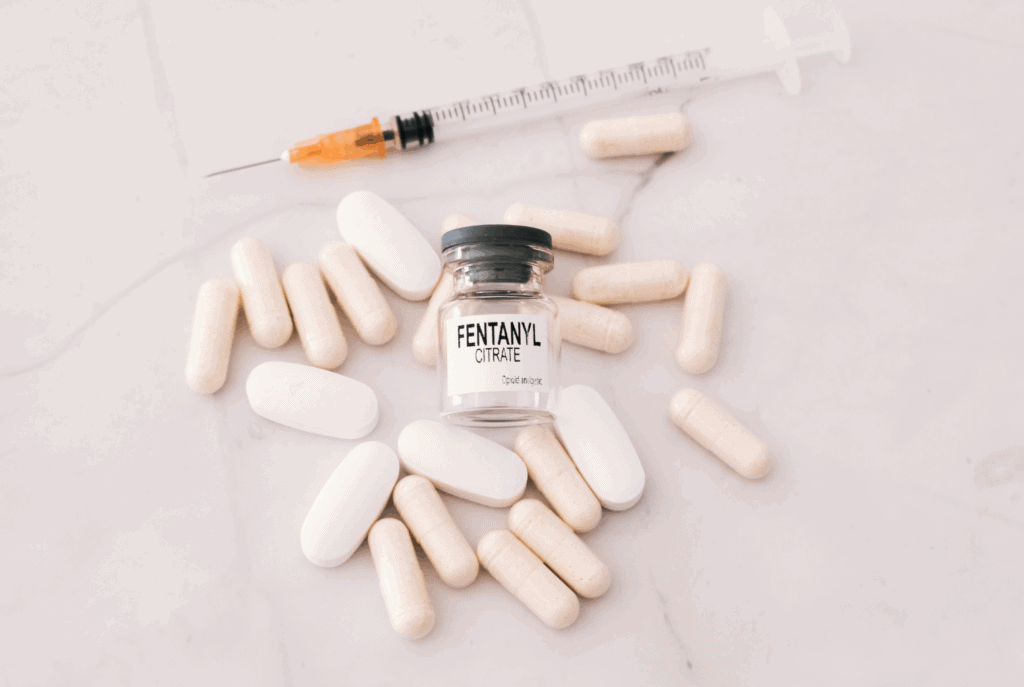
Illicit fentanyl is commonly distributed by drug dealers as counterfeit pills that mimic real medications. Fake pills put individuals at higher risk of opioid overdose, especially since fentanyl test strips, small strips used to detect fentanyl in substances, are not always used before consumption.
Why Fentanyl Addiction Develops So Quickly
Fentanyl’s extreme potency is what makes it both a valuable medication for treating severe pain in medical settings and a leading cause of the nation’s surge in overdose deaths. As one of the most powerful synthetic opioids, fentanyl binds more tightly to the brain’s opioid receptors than most prescription opioids, producing rapid and intense euphoria. This powerful binding effect also means the brain quickly adapts, requiring more of the drug to achieve the same effect, accelerating the path to dependence.
Illicit fentanyl carries even greater risks. Outside of regulated medical use, it’s often mixed with other drugs such as heroin, cocaine, or counterfeit pills without the user’s knowledge. This unpredictability increases the likelihood of opioid overdose and has contributed significantly to the dramatic rise in drug overdose deaths in recent years.
For individuals already struggling with substance use disorders or seeking relief from chronic pain, the combination of potency, rapid onset, and contamination risk makes fentanyl uniquely dangerous.
Signs of Fentanyl Addiction and Rise in Fentanyl Overdose Deaths
Repeated use of fentanyl, whether from a prescription or illicit source, can quickly lead to opioid use disorder.
Signs may include:
- Cravings for opioids or difficulty stopping use
- Withdrawal symptoms such as anxiety, sweating, nausea, or insomnia
- Increased tolerance, requiring more of the drug to achieve the same pain relief
- Neglecting responsibilities, relationships, or health problems
Opioid overdose symptoms include slowed or stopped breathing, pinpoint pupils, and unconsciousness. Immediate action, calling emergency services, administering naloxone nasal sprays, and seeking care in an emergency department, can save lives.
Long-Term Risks of Untreated Fentanyl Addiction
When left untreated, fentanyl addiction can cause devastating and often irreversible harm to both body and mind. Because synthetic opioids like fentanyl are incredibly potent, prolonged use floods the brain’s opioid receptors, leading to lasting changes in brain chemistry. Over time, this can result in cognitive decline, memory problems, and impaired decision-making, effects that may persist even after stopping use.
Physically, chronic fentanyl misuse increases the risk of opioid overdose and severe respiratory depression, which can cause brain damage from lack of oxygen. Long-term use can also lead to chronic respiratory issues, suppressed immune function, and hormonal imbalances. These risks are especially high when fentanyl is taken in combination with other drugs, or when it is unknowingly consumed in counterfeit pills without the use of test strips.
Beyond the physical dangers, untreated addiction often damages personal relationships, erodes trust with family and friends, and can lead to job loss or academic failure. Emotional health also suffers from prolonged fentanyl use, which can intensify depression, anxiety, and isolation, making recovery even harder to achieve.
Early intervention with evidence-based treatment, such as methadone or buprenorphine for stabilization, naloxone for overdose reversal, and comprehensive therapy, offers the best chance to stop the cycle before the damage becomes permanent. Whether prescribed or taken illicitly, opioids, including fentanyl, carry life-threatening risks when misused. Seeking help now is critical to preventing long-term consequences and reclaiming a healthy, stable future.
The Link Between Fentanyl Use and Mental Health Disorders
Many people who need treatment for fentanyl are also living with underlying mental health conditions such as depression, post-traumatic stress disorder (PTSD), anxiety, or unresolved trauma. These conditions can increase vulnerability to fentanyl misuse, as individuals may turn to powerful synthetic opioids for temporary relief from emotional pain. Unfortunately, fentanyl use often makes these issues worse over time, creating a dangerous cycle of dependence and declining mental health.
In many cases, the mental health effects of fentanyl use are severe, ranging from increased anxiety and depression to cognitive impairment and heightened suicidal ideation. Overdose prevention strategies like distributing naloxone nasal sprays, public education campaigns, and stronger drug policy measures are essential, but so is addressing the root cause: the combination of substance use disorders and mental health struggles.
At Luxe Treatment Center, we specialize in dual diagnosis care that treats both the addiction and the co-occurring psychiatric condition simultaneously. Our approach integrates addiction medication, therapy, and holistic care to meet the full spectrum of needs, while also helping clients and families understand diagnostic criteria for both mental health and substance use conditions. This comprehensive care is key to breaking the cycle and building a foundation for sustainable recovery.

Treatment Options for Fentanyl Addiction
At Luxe Treatment Center, we provide evidence-based treatment for fentanyl addiction designed to address both the physical dependence and the underlying substance use disorders that often co-exist. Our programs are tailored to each individual’s needs, combining:
- Medication-assisted detox with options like methadone, buprenorphine, or naltrexone to stabilize brain chemistry and decrease cravings
- Residential treatment in a safe, structured environment where clients live on-site and receive 24/7 support, evidence-based therapies, and holistic care to heal both body and mind away from the triggers of daily life
- Individual therapy to address trauma, triggers, and mental health disorders that contribute to use
- Group therapy sessions for peer support and learning new coping strategies
- Family therapy to rebuild trust and communication with loved ones
- Life skills training and relapse prevention planning for a strong transition back to daily life
We treat the whole person, not just the symptoms, offering a supportive environment that empowers long-term recovery.

What Makes Luxe’s Approach Different
At Luxe Treatment Center, we understand that recovering from fentanyl addiction, or any form of opioid use, requires more than just clinical expertise. Our programs are designed to combine the highest standards of addiction treatment with a compassionate, personalized environment that fosters long-term healing.
One of the hallmarks of our approach is our small staff-to-client ratio, ensuring every person receives individualized attention from a team that knows their story, strengths, and challenges. We also provide a luxury setting that allows clients to focus on recovery in comfort, surrounded by peaceful and supportive spaces.
Because fentanyl is an extremely potent drug, far stronger than morphine or many other opioids, our medical team takes every precaution to manage withdrawal symptoms safely. This includes using tools like naloxone for overdose reversal, test strips to detect contaminated substances, and close monitoring in line with research.
By blending advanced medical care, a luxury environment, holistic healing options, and personalized support, Luxe Treatment Center offers a treatment experience that is as effective as it is compassionate, giving clients the tools they need to break free from dangerous drugs and build a sustainable future in recovery.
Taking the First Step Toward Recovery
Fentanyl addiction is treatable, and recovery is possible with the right support. If you or a loved one is struggling with opioid use disorder or has experienced a drug overdose, reaching out for professional help can be a critical, life-saving step toward healing and long-term recovery.
Luxe Treatment Center offers compassionate, confidential care with treatment options that address both substance abuse and mental health challenges. Whether through inpatient treatment, outpatient programs, or ongoing aftercare, our goal is to help each person achieve lasting addiction recovery.
Contact us today to speak with our team and take your first step toward safety, stability, and healing.
Sources
National Institute on Drug Abuse. (2021, June 1). Prescription opioids DrugFacts. National Institute on Drug Abuse.
Mayo Clinic Staff. (2024, July 20). How opioid use disorder occurs. Mayo Clinic.